
2026 May SAFE Educational seminar
Attend this seminar to earn credits to renew your SAFE membership for 2026 and renew your CFDE certification.
| Date: | Time |
|---|---|
| 18 November-2026 | 16:00 (4:00 pm) PDT |
| 18 November-2026 | 19:00 (7:00 pm) EDT |
| 18 November-2026 | 24:00 (00:00 ) GMT |
| 18 November-2026 | 01:00 (01:00 am) SAST |
| 19 November-2026 | 11:00 (11:00 am) NZST |
Topic: Real Prompts, Real Practices: How Forensic Document Examiners Use ChatGPT
Speaker: Anne Smith and seminar attendees
Bio:
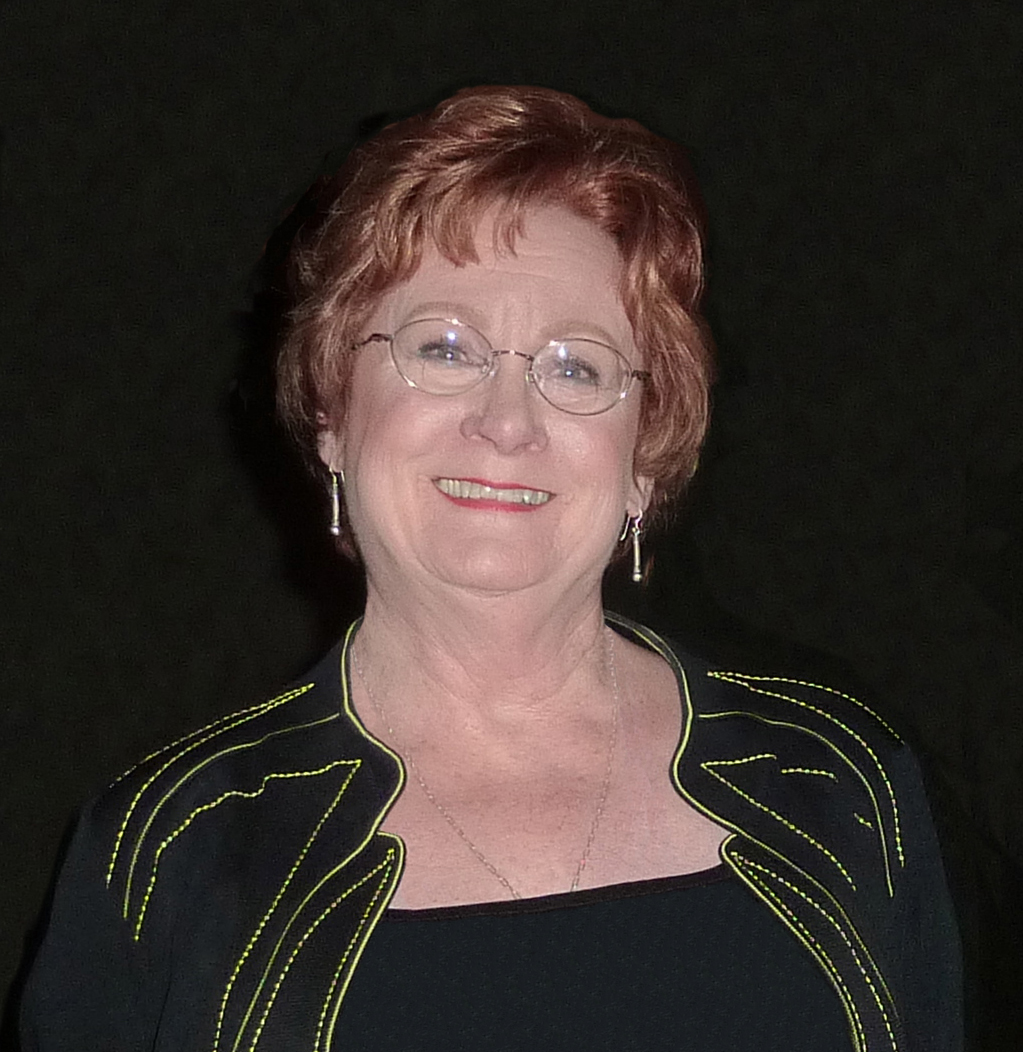 For more than 20 years, Anne Smith has operated her business, Forensic Forgery Detection, out of her Virgilina, Virginia home office. As a court-qualified forensic document examiner, she employs traditional examination methods using modern technology. A SAFE member since 2017, Anne has presented at forensic document examiner organization conferences, including SAFE. Her presentation topics have included Best Practices for Documenting Image Enhancement; Brain Teasers, a.k.a. Handwriting Verification, Skill, and Proficiency Testing; Statistics and the Document Examiner; Death Certificate Fraud; How Notary Laws May Affect Document Examination; Overt and Covert Features of Paper; Inverted Mirror Writing; and Time-saving Techniques for Forensic Document Examinations.
In her spare time, Anne creates recipes and develops copycat versions of delicious menu items she has enjoyed. Ask her the story behind “Champagne Soup with Cinnamon Croutons.” When questioned about what her first career in foodservice management has in common with her second career as a forensic document examiner, she answers, “If you exchange the amounts of salt and sugar when making a cake, the cake will be different from the original cake the recipe intended. Likewise, the proportions and relationships among elements of two differing signatures matter.”
Abstract
This one-hour interactive presentation will feature actual prompts SAFE members have used with ChatGPT for research, document comparison, report review, scope development, trial preparation, and other professional tasks.
Members who volunteer will briefly explain what they asked ChatGPT, how it responded, and what follow-up prompts, corrections, or refinements were needed. Other members will be invited to suggest follow-up prompts, ask questions, and share different approaches.
The goal is practical, fast-paced, and fun: to involve our members from around the world and demonstrate how ChatGPT can support forensic document examination practices while the examiner retains responsibility for the examination, findings, conclusions, and opinions.
If members do not volunteer in advance or do not speak up during the presentation, the moderator WILL probably volunteer you to present a prompt, ask a follow-up question, or comment on a particular prompt.